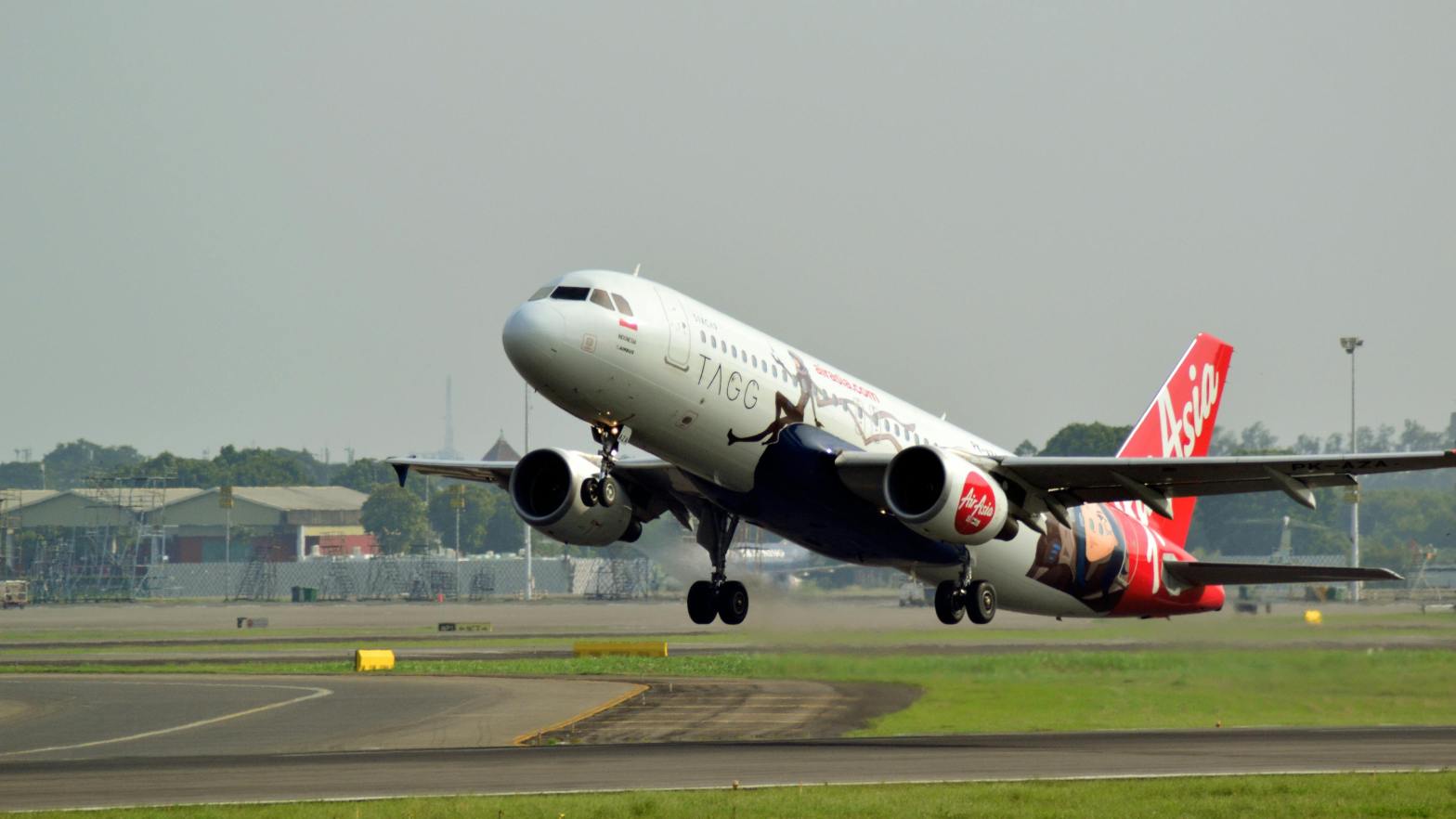
An airplane taking off. (Free Stock Image)
After a mid-air collision between a Blackhawk helicopter and commercial aircraft killed 67 people and shut down air traffic near Reagan National Airport earlier this year, the increased interest in plane crashes caused a surge in media coverage.
Subsequent news stories about plane crashes and botched landings across the country have manipulated people into thinking that plane crashes are happening more frequently when that’s not even the case.
From New Year’s Day to March 11, the National Transportation Safety Board (NTSB) reported 175 aviation incidents, 20 of which were fatal. Compare that to last year when the agency reported 252 accidents with 37 being fatal.
A longitudinal view of U.S.-based plane crashes shows that, over a period of 15 years, between 2008 and 2023, NTSB reported 20,684 aviation accidents, 3,764 of which were fatal, resulting in 6,354 deaths and 3,745 serious injuries.
Despite these incidents, data from NTSB shows an annual decline in plane crashes since 2009.
For years, the average person might not have known about the prevalence of U.S.-based plane crashes because media companies did not widely publicize them. However, after three plane crashes went viral on social media in 2025, people’s interest increased. Because of that, the media prolonged giving details about the crashes to keep viewers’ attention.
This manipulation turns aviation incidents into lucrative business opportunities. Some Americans view the mid-air collision near Reagan National Airport as an embarrassment because of how it could have been easily avoided. With the collision being captured on multiple cameras, the media turned it into a spectacle with the first articles being posted on January 29, 2025, and the most recent on March 11, 2025.
This is a period of over a month in which information was delayed. The NTSB conducted a lengthy investigation, compiling information about the crash — including the time, exact location, casualties and audio retrieved from a black box — by February 3, 2025, only 6 days after the incident.
The media rarely chooses to go into depth about plane crashes because they need stories that will garner attention. Plane crash stories often highlight fatalities but rarely delve into victims’ personal lives and their reason for flying at that time. People’s general interests change, so the media will slowly and deeply cover plane crashes with more than 50 fatalities to keep viewers engaged.
Media corporations want to make money, so they choose what stories to cover based on ownership, funding, conflicts of interest, and what will be best for their profit margin. Today, six companies — Comcast, Disney, News Corp., National Amusements, Time Warner, and Sony — control 90% of all media outlets in the U.S. They have a combined net worth of $430 billion. This consolidation of media power molds public conversations and societal views by influencing people via social media or news networks.
Earlier this year, MSNBC removed Joy Reid, Katie Phang, Jonathan Capehart and Ayman Mohyeldin from their time slots. Rebecca Kutler, then the new president of MSNBC, said the news company was changing their schedule due to a decline in viewership. Reid, one of MSNBC’s top news analysts, criticized President Donald J. Trump and refuses to apologize for speaking out about Gaza and the Black Lives Matter movement.
Some people choose the Democratic, Republican, or one of several independent parties based on news networks that they support. Many may say Democratic news stations are better than Republican ones based on who is in office; however, they are all linked to the same six corporations, and they generate revenue off of the staged conflicts between rival news stations. Some people like watching Democratic stations like MSNBC which broadcast the heavily controversial ideas Republican ones like FOX promote, and vice versa. This is how the six media corporations as a whole generate substantial amounts of wealth.
With this much power, media corporations can manipulate the thinking of people in different parts of the country. There’s a 2018 verified video compilation showing multiple news stations reciting the same lines verbatim on the topic of “fake news.”
The First amendment protects freedom of speech, which frees media corporations from government oversight. While this is fair, it’s hard to believe that a major corporation wouldn’t take advantage of this freedom to generate more wealth.
The prevalence of plane crashes might be higher than one would expect, but with nearly 36.5 million flights yearly in the U.S., the chance of getting into a plane crash is approximately 1 in 260,292. These days, with all the shootings and deadly accidents, plane crashes might have not gotten covered because they didn’t interest enough people. While many plane crashes, especially those with several fatalities, can’t go unnoticed, whether one person or many people lost their lives, the media should not have any bias against any loss of life.
 The Watoto Speak!