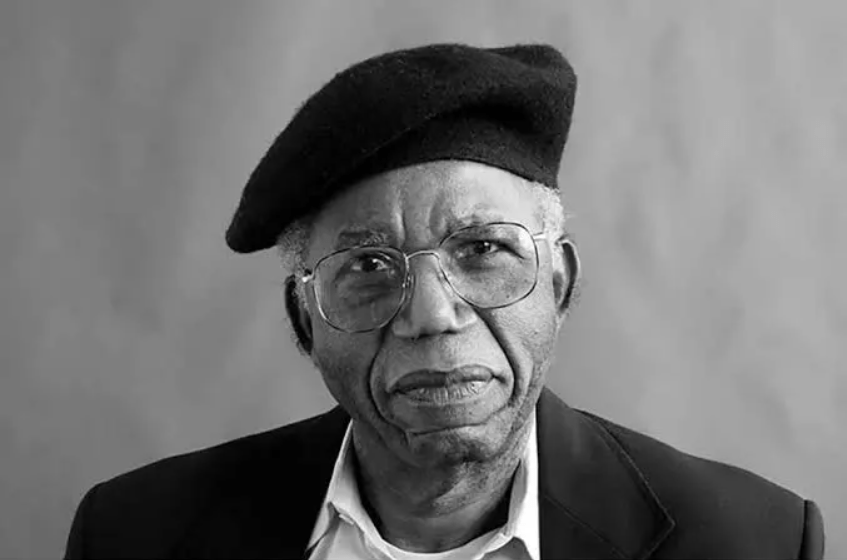
Chinua Achebe (Courtesy of The Paris Review)
In 2008, the Library of Congress held a celebration honoring Nigerian novelist, author, poet and professor Chinua Achebe for his book, Things Fall Apart. This book speaks on pre-colonial Nigeria and how the protagonist, a traditional man named Okonkwo, handles colonialism and its effect on him and his people.
During the event, Achebe reflected on how literature shapes the way societies see themselves and others. He made it clear that stories are powerful tools that influence identity and historical understanding. His speech emphasized why it is necessary for African people to speak about their own cultures.
By continuing these traditions through literature, African writers prevent cultural knowledge from being forgotten.
Things Fall Apart helped preserve culture by speaking about what was happening in Africa during colonialism. It brings understanding to how African culture was being disregarded by the people who knew nothing about it. At the Library of Congress, Achebe reflected on the importance of storytelling and the role of literature in preserving culture. He explained that stories can correct misunderstandings about Africa and why African stories should be told by African people. He also emphasized that storytelling has always been central to African culture and history. It helps pass down traditions, values, and shared experiences from one generation to the next.
For a long time, colonial narratives described Africa as uncivilized and lacking history. Many people believe Africa is just desert and huts, forgetting to focus on the parts that are bustling with economic activity. Achebe has discussed how Africa has often been misrepresented by outsiders in literature and media. He argued that these inaccurate portrayals created harmful stereotypes and misunderstandings. These false images shaped global perceptions and influenced how the world treated Africans. By challenging these portrayals, African writers reclaim their identities and present more truthful and complex depictions of their societies. Achebe believes African stories should be told by Africans because they understand their own cultures and experiences.
An authentic perspective allows for more respectful and accurate representations of traditions, struggles, and achievements. It also helps break stereotypes and encourages deeper understanding.
Achebe explains that when people tell their own stories, they regain control over how they are seen. His message highlights the power of literature to preserve culture. He shows us how we can go against false narratives, and promote respect across cultures. This helps to one day create a united international community where everyone admires each other.
 The Watoto Speak!